The letter came in July. My doctor is moving out of the area in October — thank you for your years as a patient, please make arrangements for your continuing care. That’s not a scandal. People move. I read it, set it on the counter, and did nothing for a month, because how hard could it be to find a doctor?
That was my mistake, and it’s the only part of this I’ll take responsibility for.
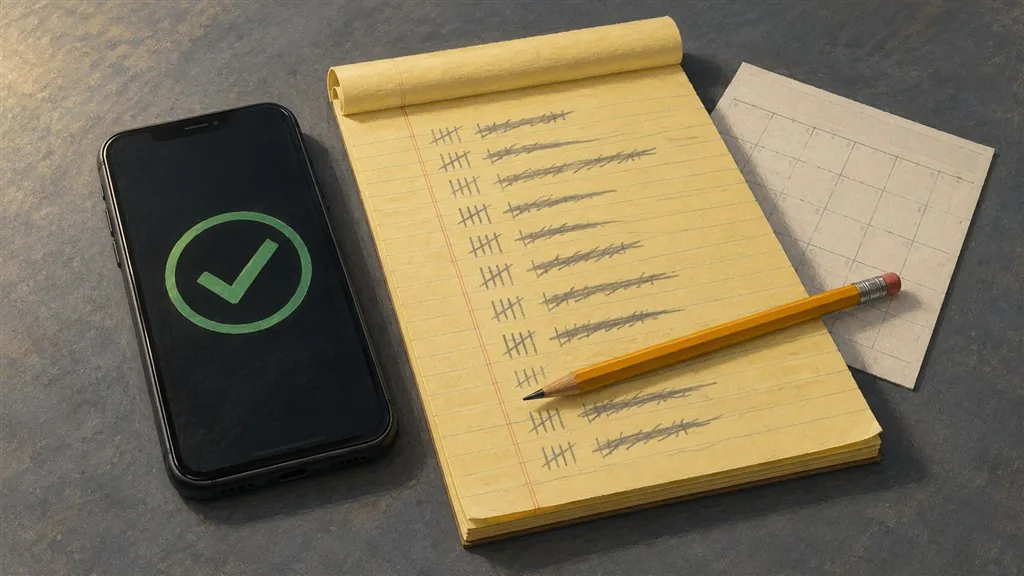
I’ve been calling ever since. Still no doctor. He left in October, and the clinic has not hired anyone to take his place. I’m not after a specialist or a surgeon. I want a regular family doctor who will take my blood pressure once a year and learn my name. I have United Health coverage, which is not exotic. I live near two of the largest health systems in the state. By every reasonable measure this should have been a twenty-minute problem.
Here is how it actually goes.
I open the insurance directory and filter for primary care doctors accepting new patients. I get a list. I cross-check it against the medical group’s own website, which also says accepting new patients. Green check mark. Little “book now” button. Everything on the screen tells me the door is open.
Then I call.
There are no appointments available.
So I ask the obvious question. Is this doctor still accepting new patients? And the scheduler pulls up the record, and there it is on their screen too. Accepting new patients. Yes. Confirmed. Open panel. Also, no appointments. Not next month, not in the spring, not at all.
I’ve had that exact exchange enough times now that I can hear the pause coming. The scheduler isn’t lying to me. They’re reading the same green check mark I’m reading, then looking at a calendar that contradicts it, and they’re the one who has to say it out loud to a stranger. It’s bizarre. There’s no other word for it. The status says the door is open and the schedule says there is no door.
My wife suggested nurse practitioners and physician assistants, which was smart, and I called several. Same answer. So I stopped asking for specific people and started asking front desks for anyone at all — any clinician, any office within a reasonable drive, I am not picky. Same answer. I have run out of ways to phrase the request.
There’s a name for what’s happening, and it isn’t mine. People who study this call them ghost networks: directories padded with clinicians who have retired, moved, left the plan, or closed their panel years ago. It’s a known enough problem that Congress has held hearings on it and federal law requires insurers to keep their directories current. Requiring it and achieving it are different things, as my call log will attest.
Why does the bad data survive? Because a long list is an asset. Network size is how a plan sells itself and how it satisfies the rules about having enough doctors. Nobody in that chain has a financial reason to prune the list down to the clinicians who can actually see you. The cost of the error lands on me, in my kitchen, with a phone and a legal pad, calling number eleven.
Consolidation is the other half of it. When I name those two systems, I’ve named most of my realistic options in one breath. That’s a lot of the country now — two large systems that absorbed the independent practices that used to fill the gaps. If both have full panels, there isn’t a third thing to try. There’s urgent care, which doesn’t know me, and telehealth, which doesn’t either.
And primary care is the least glamorous, least compensated corner of medicine, so the pipeline into it has been thin for years while the demand keeps climbing. You can’t manufacture family doctors quickly. It takes a decade.
So the shortage is real. The shortage isn’t what made me angry. What made me angry is two large organizations telling me in writing, over and over, that appointments existed when they did not.
I’d like to end this with the tidy list of tips you usually get from articles like this one, except those are written by people who solved their problem. I haven’t solved mine. I can tell you that calling the clinic directly beats the central scheduling line, because the front desk knows things the database doesn’t, though it still hasn’t produced an appointment for me. I can tell you to ask whether anyone new is starting soon, since a new clinician arrives with an empty calendar — that’s the question I’d lead with if I were starting over in July instead of August. I asked it. The clinic has not hired one. The only appointment anyone has offered me is a few hours up into the mountains, and I am not driving that for a blood pressure check. The old clinic did say they can still refill a prescription. That keeps the pills coming. It is not a doctor. Get on every waitlist and tell them you’ll take a cancellation on an hour’s notice. And when a listing turns out to be false, report it, to the plan and to the relevant insurance regulator. One complaint changes nothing. Enough of them is the only thing that ever has.
I’ll find somebody eventually. I’m healthy, I’m stubborn, and I have the time to make twenty phone calls. The letter gave me three months of warning, and three months wasn’t enough. That should tell you something.
That’s the part that stays with me. This system didn’t really break for me. It wasted my afternoons. Think about who else is working down that same list of green check marks — somebody managing diabetes, somebody who just got a diagnosis and needs a doctor who knows their history, somebody with three kids and a job that doesn’t allow personal calls. They’re being told exactly what I was told. The door is open. Come on in.
It isn’t. And somebody ought to say so.